
Casio G-Shock & DutyGorn
Milan, September 2010. On the occasion of the Shock the World Tour, Casio brings the G-Shock universe to the city with a major event dedicated to the history of the brand, music, urban culture, and its emerging connections with contemporary art. On September 17, at Galleria Meravigli, the new G-Shock GX56 is unveiled and, within the same setting, a special project created by DutyGorn for Casio Italia is announced and previewed.
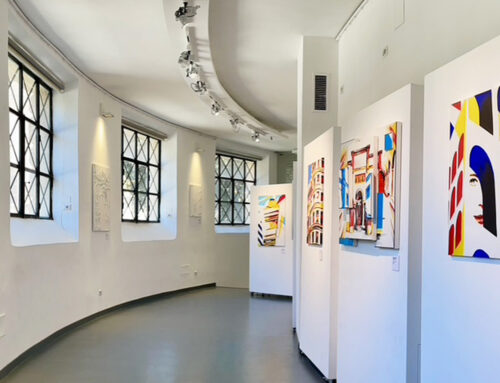
For the occasion, Galleria Meravigli is completely transformed through an ambitious and carefully conceived installation built around the identity of G-Shock: technology, experimentation, urban culture and, above all, the pursuit of extreme durability that has defined the brand since its origins. The historic Milanese venue takes on a new identity, becoming a large-scale contemporary setting designed not simply to introduce a new watch, but to convey a visual world that over the years has moved across design, street culture, fashion, music and creativity.
At the centre of the evening is the GX56, presented within the main installation. Around it, installations, imagery and a selection of historic models and limited editions create a kind of temporary brand archive, tracing the evolution of G-Shock through forms, materials and designs that have become recognisable far beyond the world of watchmaking.
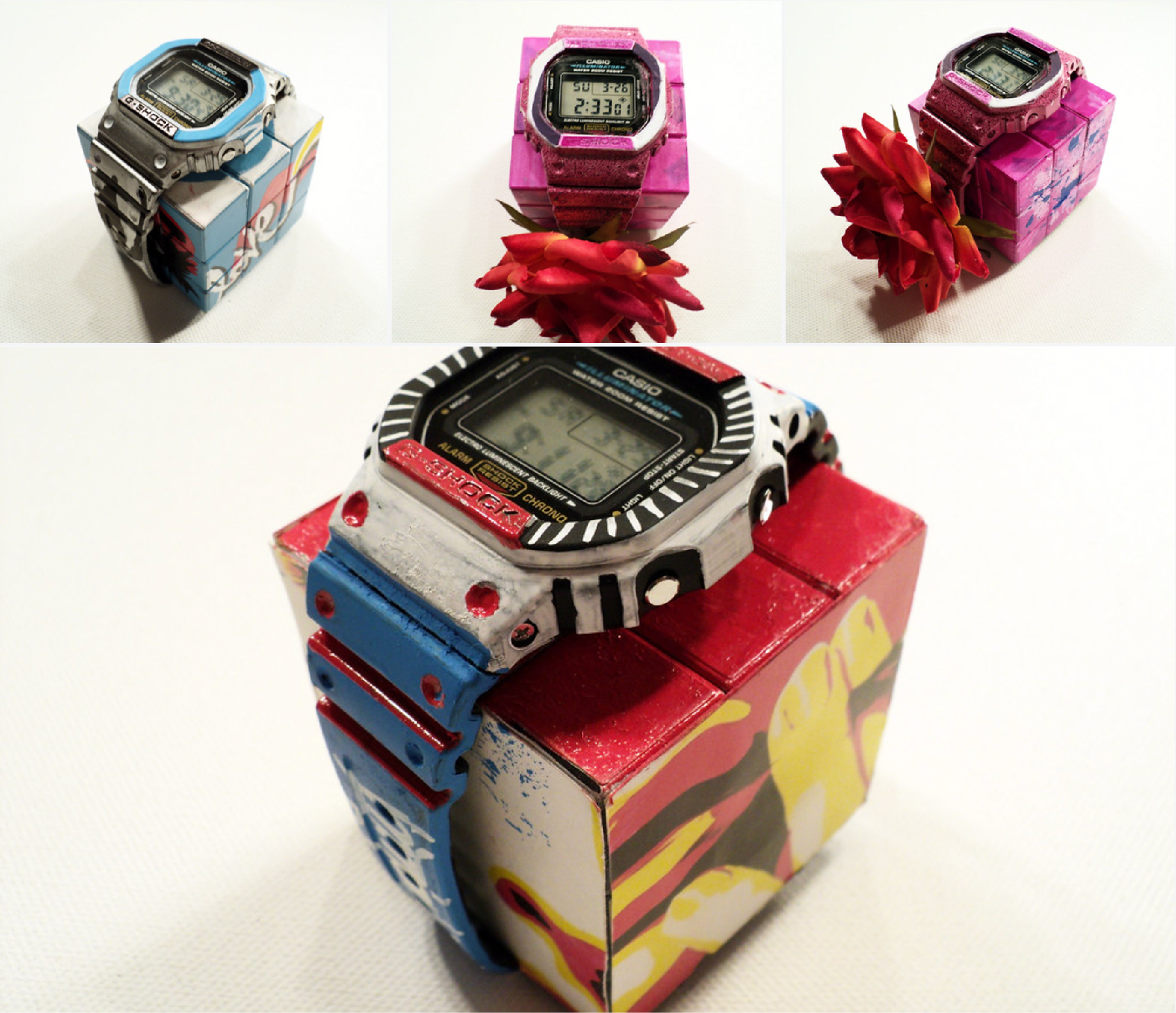
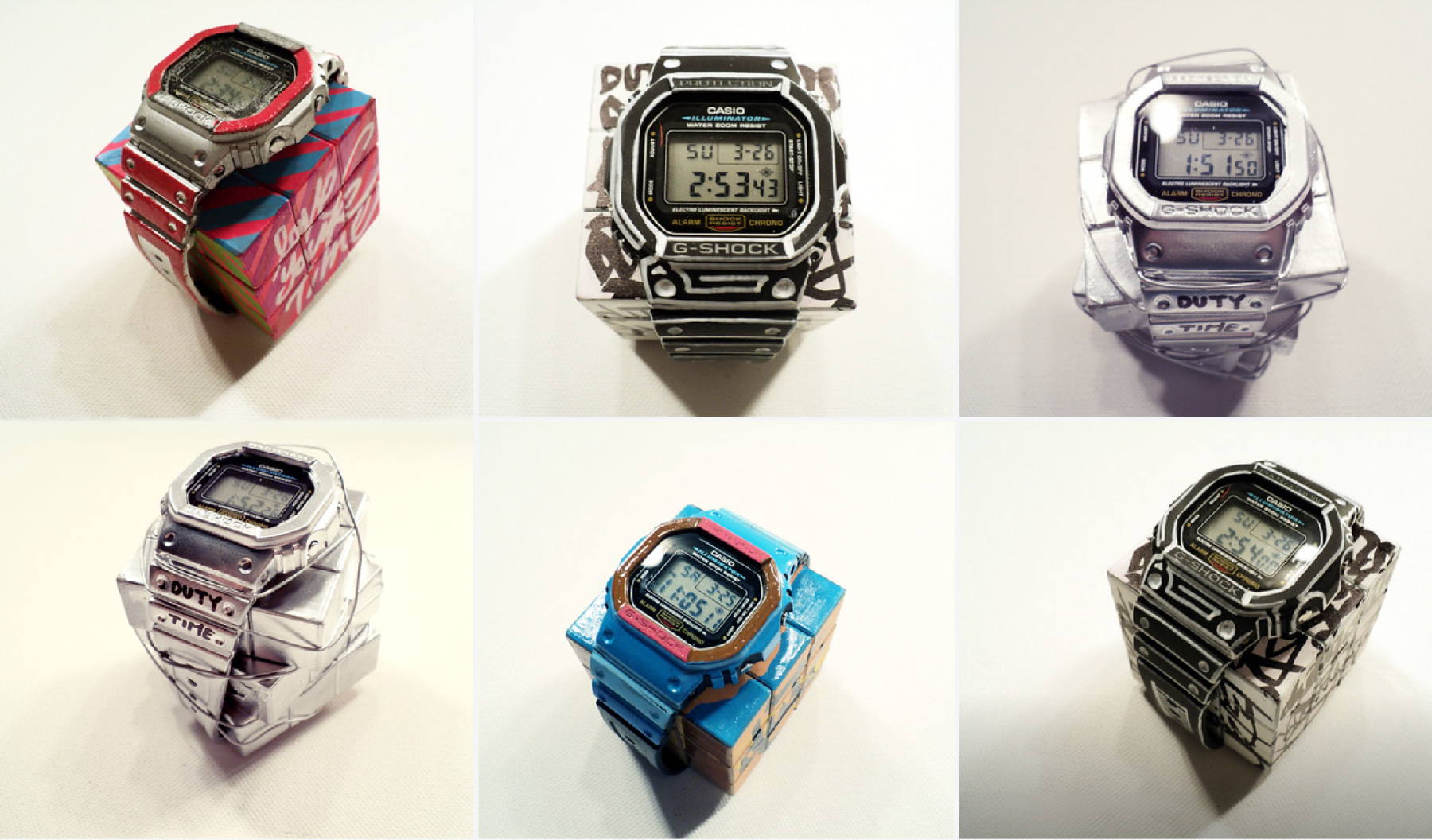
It is within this setting that the collaboration between Casio Italia and DutyGorn also takes shape. In September 2010, Casio commissions the Milanese artist to conceive and customise a capsule collection based on two iconic models, the G-Shock DW-6900-1ER and the DW-5600E-1VER.
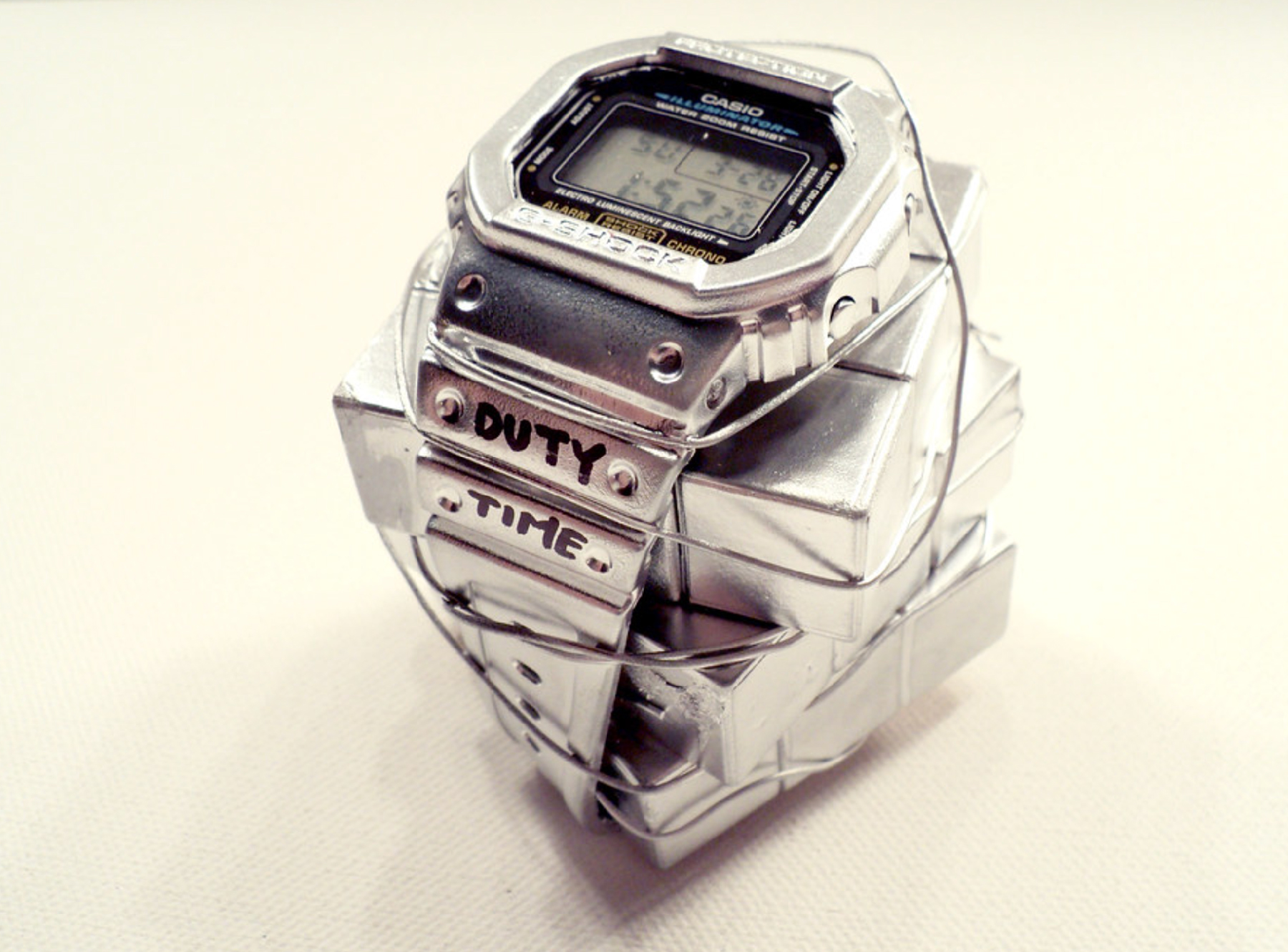
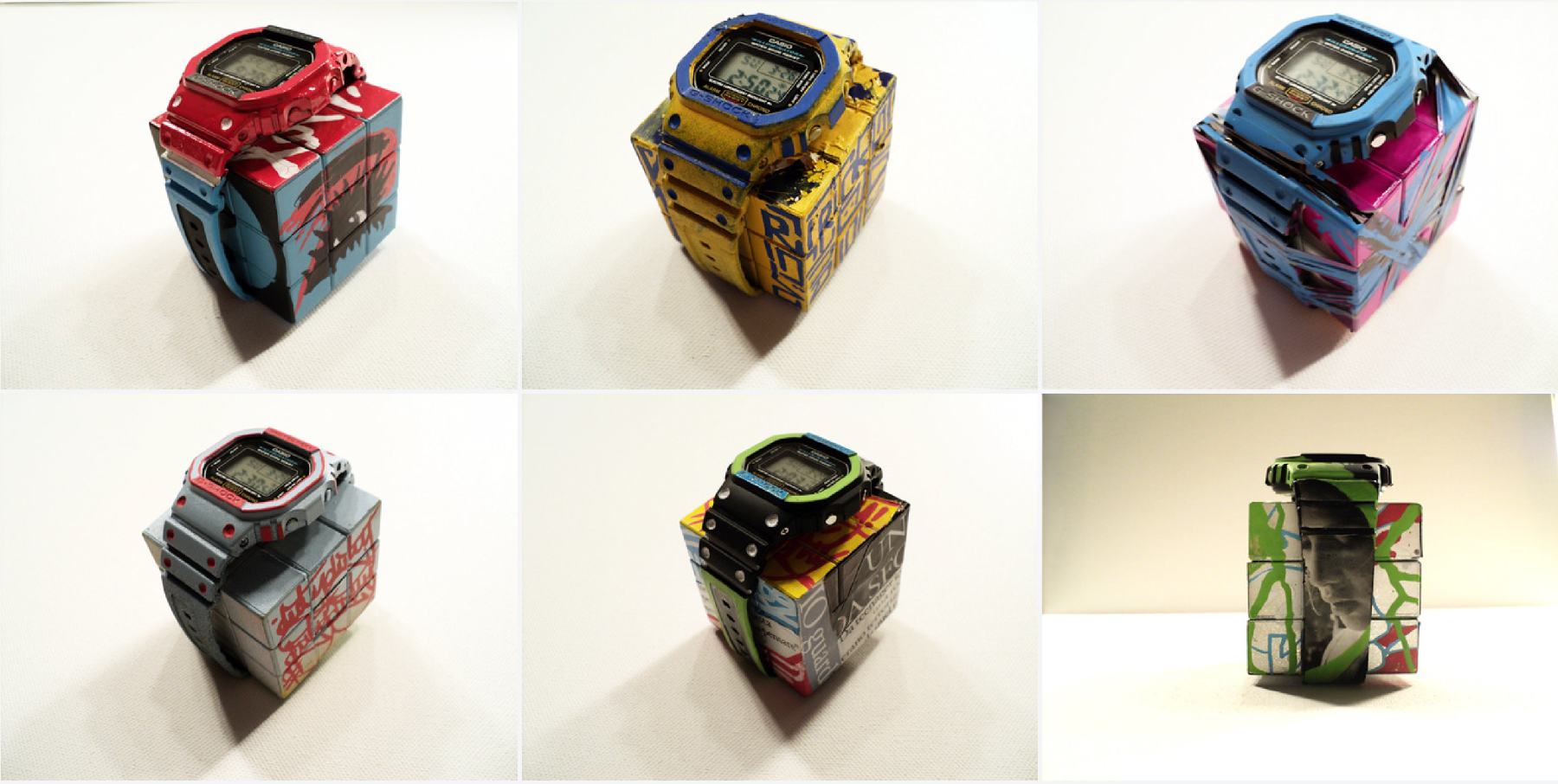
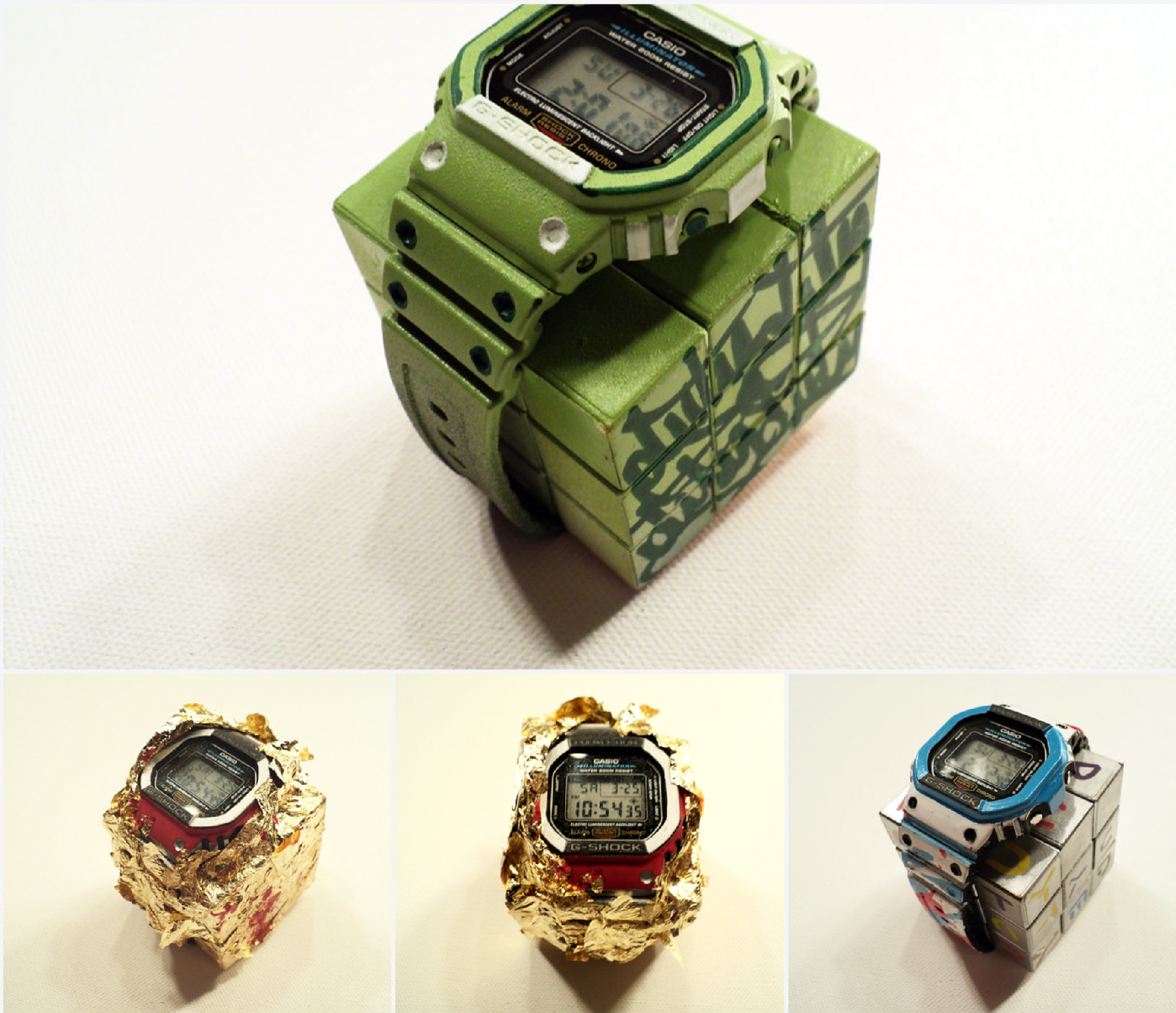
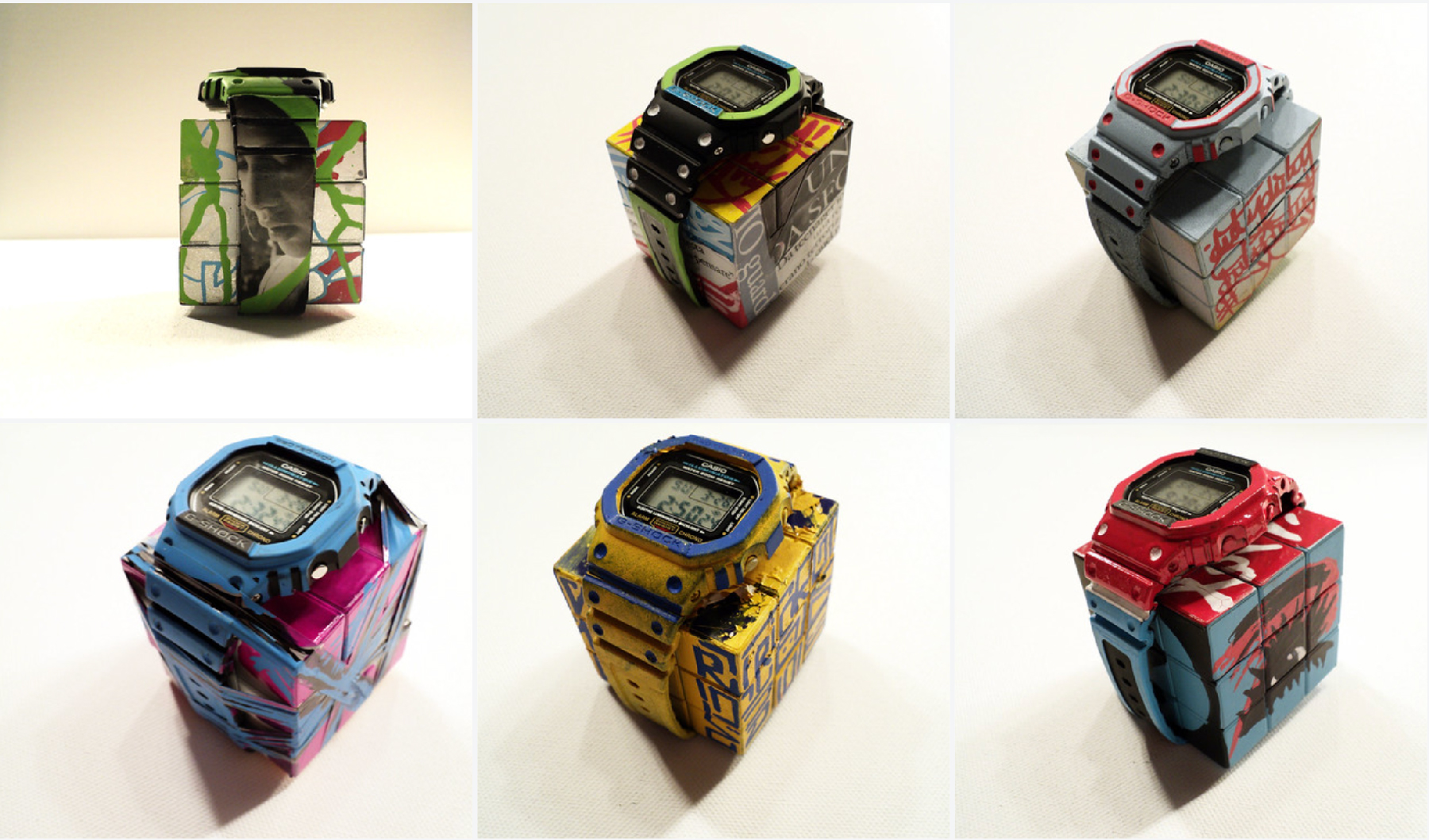
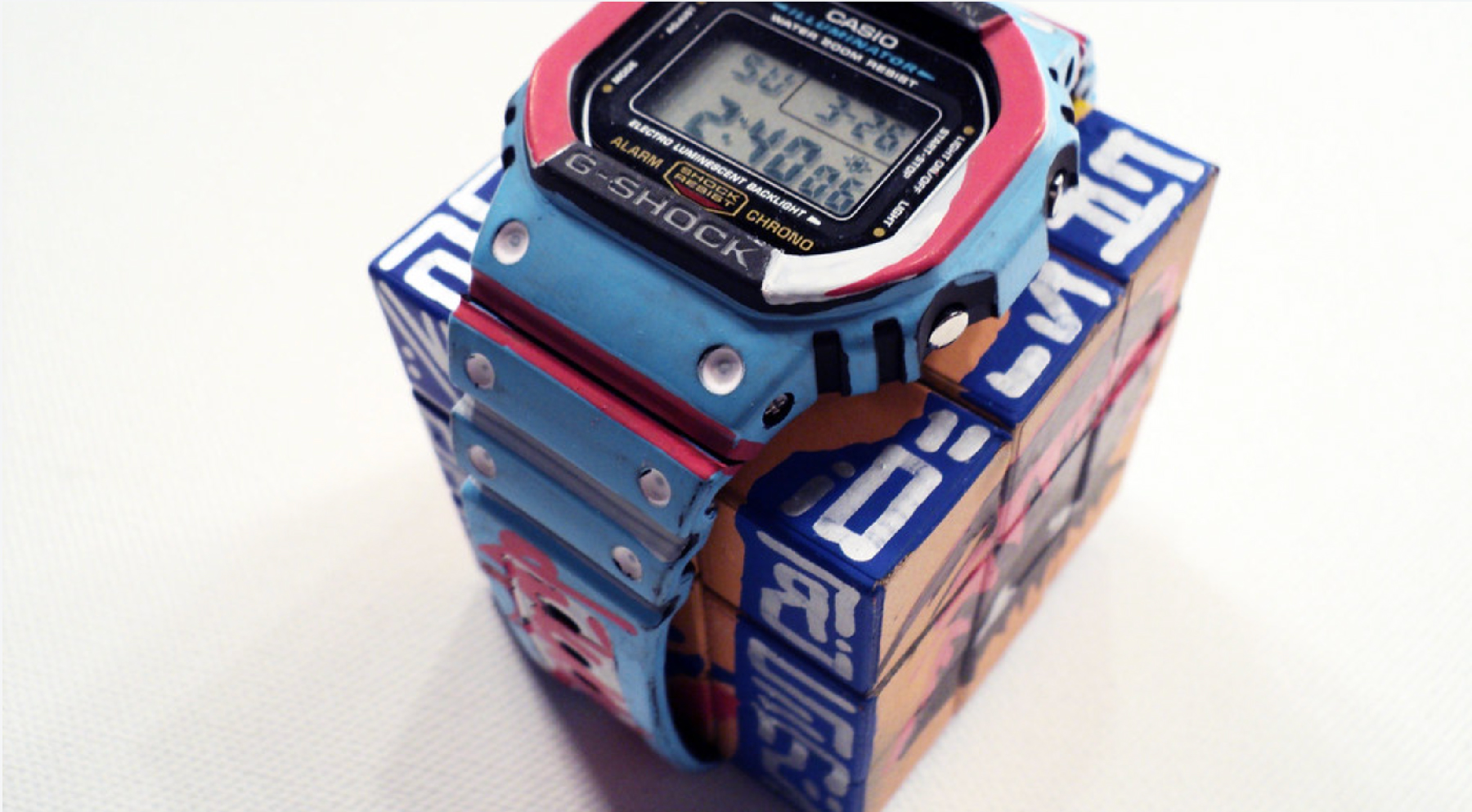
DutyGorn creates 20 individual pieces, transforming each watch into a small collectible object. The project is titled “Casio Cube” and emerges from the visual encounter between two objects that have become part of the collective imagination: the G-Shock and the Rubik’s Cube. Colours, geometries and surfaces are reinterpreted through the artist’s visual language, temporarily shifting the watch away from its function as an accessory and towards the realm of the art object.
The cube thus becomes a kind of visual matrix. Its instantly recognisable modular structure meets the compact, technical form of the G-Shock. DutyGorn explores this relationship through a series in which art, design and pop culture overlap. It is not simply a matter of decorating a watch, but of imagining it differently: as a small three-dimensional surface to be transformed and, at the same time, as an object intended to be preserved and collected.
One of the central moments of the Milan edition of the Shock the World Tour is the appearance of Kikuo Ibe, Casio engineer and creator of the G-Shock. His research began in the early 1980s with the idea of creating a watch capable of resisting shocks, eventually giving rise to a project that would profoundly change the concept of the sports watch. His presence in Milan creates an ideal connection between the origins of G-Shock and its subsequent cultural evolution.
And durability does not remain merely a statement. Inside the gallery, Casio also creates a large interactive wall where visitors can physically put the watches to the test, throwing them against the surface and directly experiencing the toughness that has become an essential part of G-Shock’s identity. Symbolically, the watch leaves the display case: it can be touched, worn, struck and tested.
The evening continues through music, with several figures from the Italian scene taking turns behind the decks, including R-Ash, DJ Skizo and Esa, while Galleria Meravigli fills with artists, journalists, designers and personalities connected to Milan’s creative scene.
DutyGorn’s project continues over the following months. On December 18, 2010, at Le Trottoir alla Darsena, in Piazza XXIV Maggio, Milan, the Casio Cube capsule collection is presented in its complete form. The twenty pieces created using the G-Shock DW-6900-1ER and DW-5600E-1VER become the final outcome of a journey that began during the Casio G-Shock World Tour: a limited series in which a mass-produced industrial object is reinterpreted through artistic intervention and transformed into something individual and collectible.
The collaboration between Casio G-Shock and DutyGorn captures a particular moment in Milan in 2010, when art, street culture, design, music and fashion were increasingly beginning to share the same spaces and visual languages. On one side, one of the most recognisable watches in contemporary culture; on the other, the artist’s intervention, temporarily altering its identity and the way it is perceived.
The result is Casio Cube: twenty small objects born from the encounter between two popular icons, the G-Shock and the Rubik’s Cube, transformed through colour and artistic interpretation into a capsule collection conceived to be worn, observed and collected.
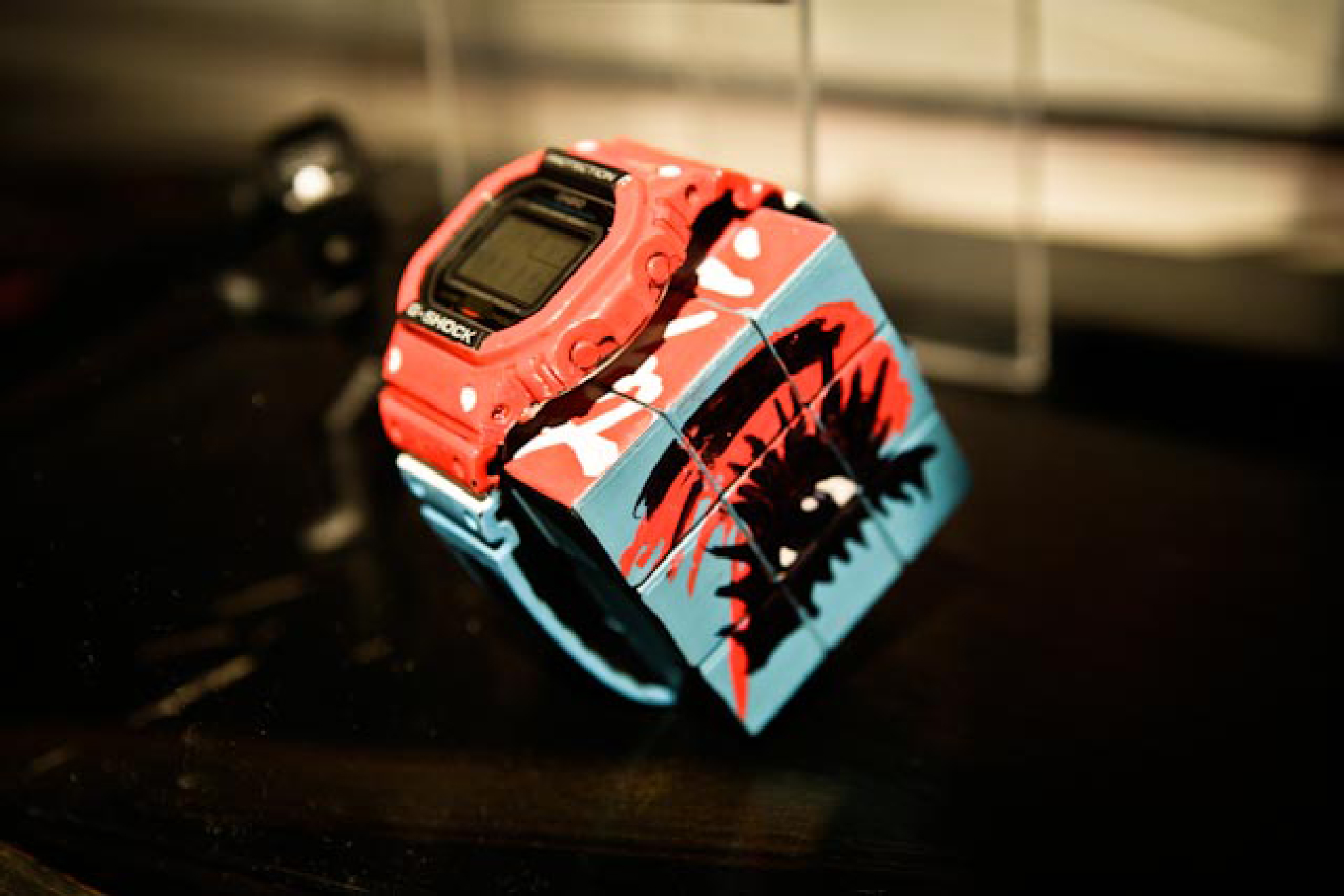
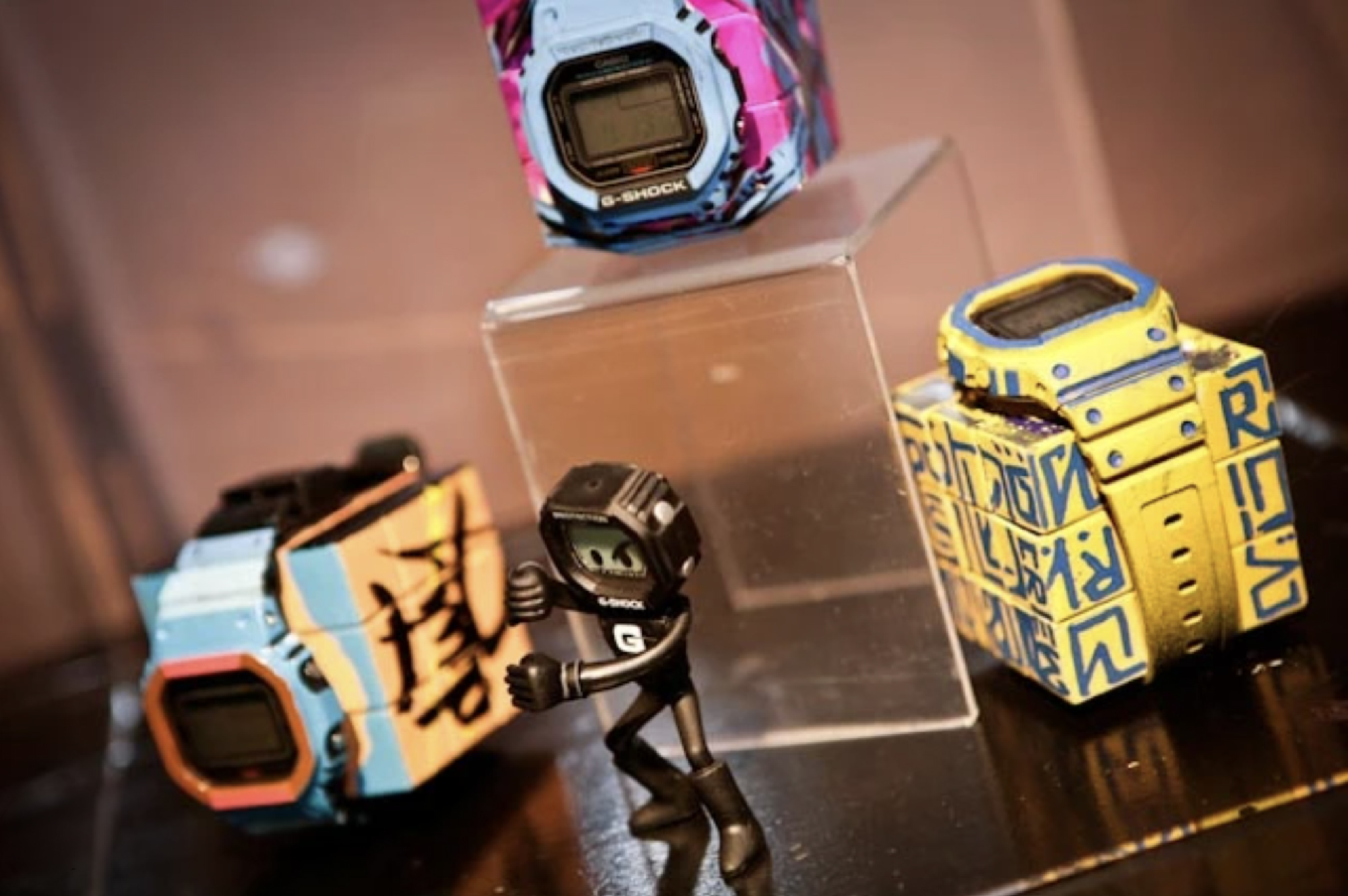
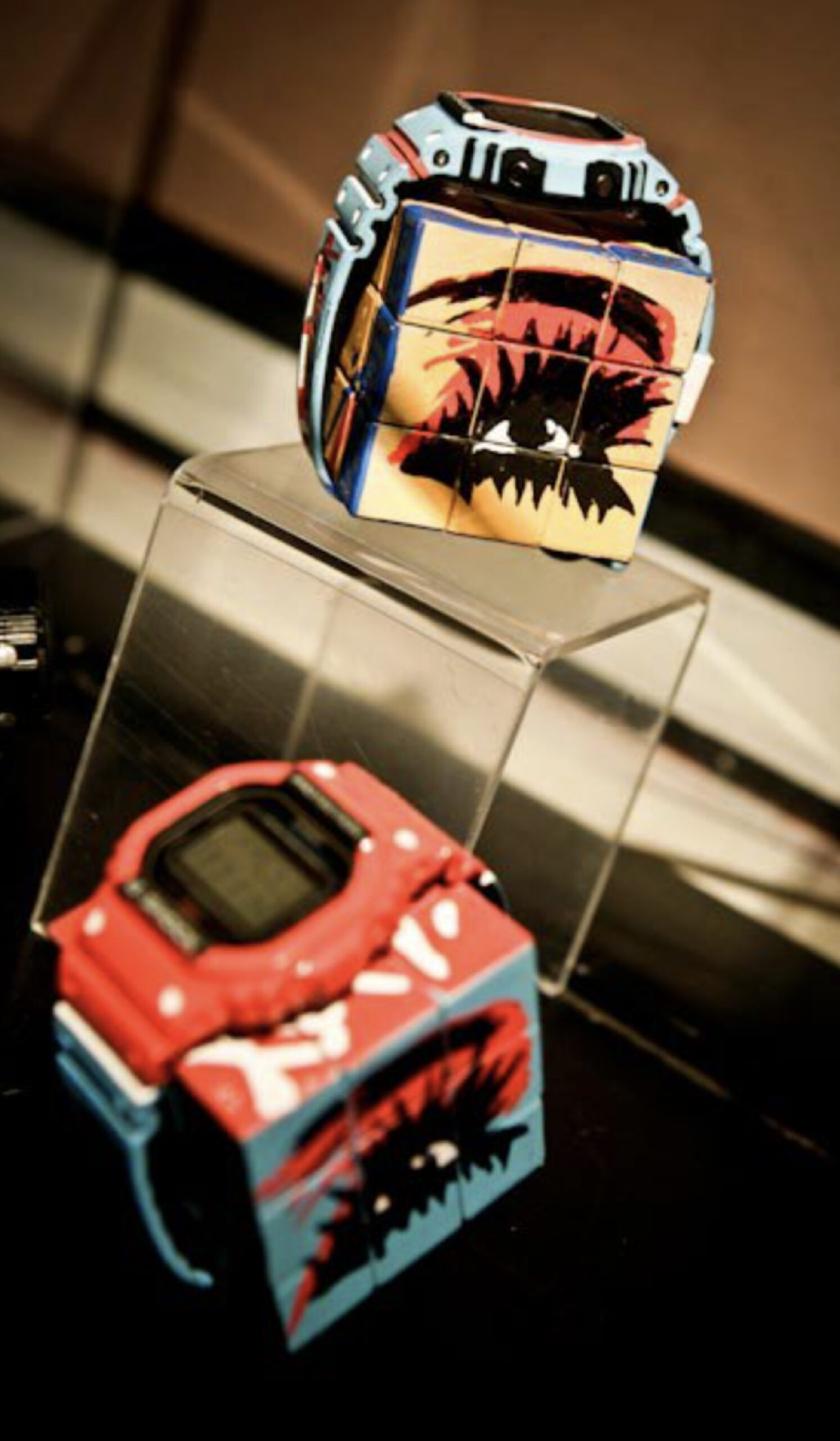
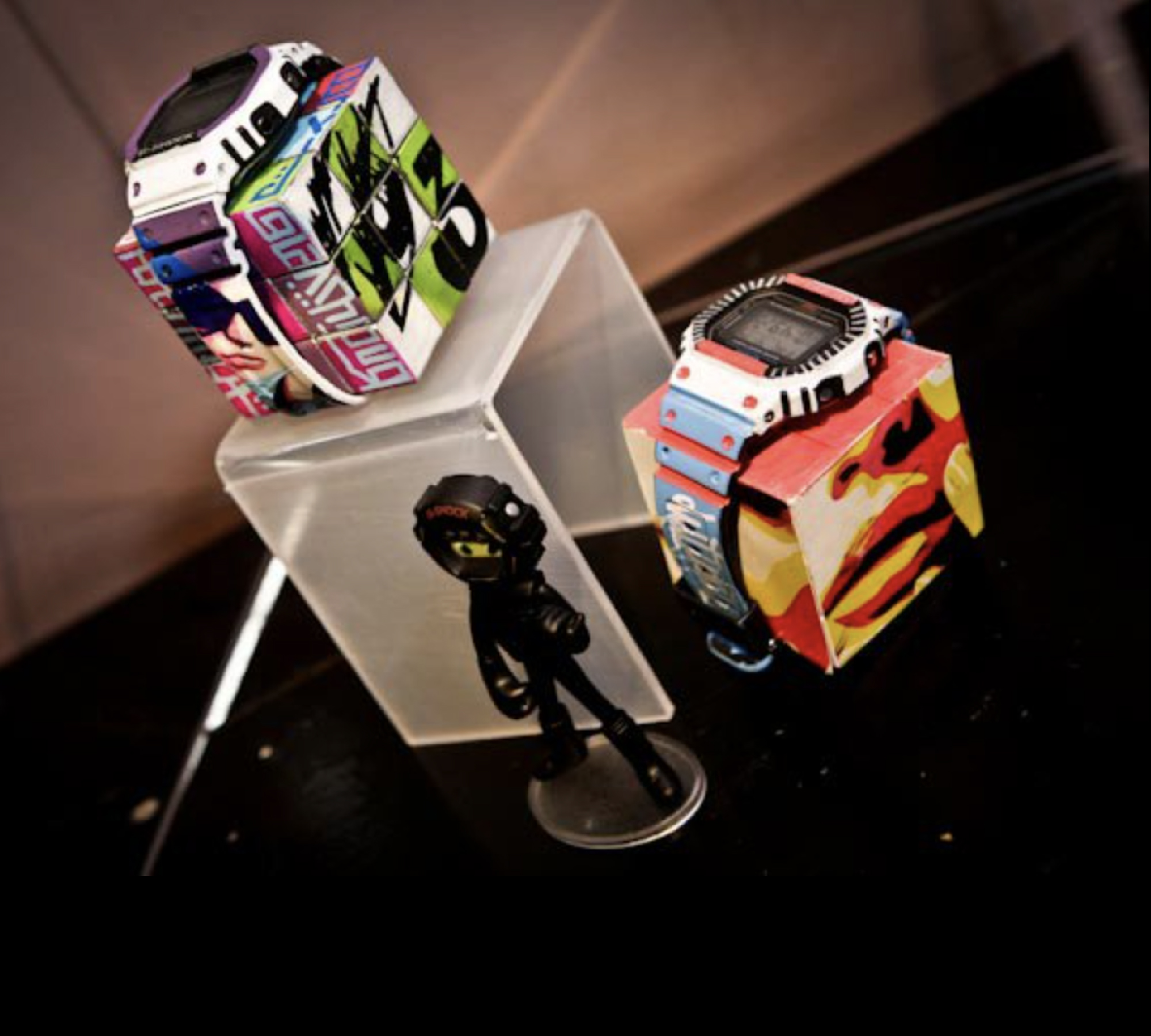
Photo: Eleonora Cecchini